|
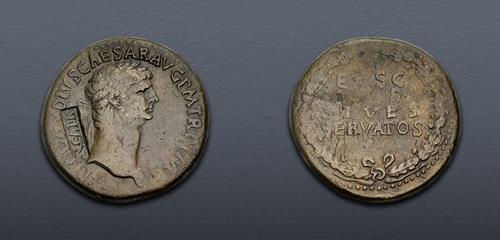
Claudius. AD 41-54. Æ Sestertius (35mm, 24.84 g, 6h). Uncertain Iberian mint. Struck AD 41-42. Countermark applied in Italy during the reign of Vespasian, AD 69-79(?). Fine.
Keystone 16 – The David C. Bianchi II Collection
Lot: 2.
Closing Date: May 20 2026 10:00 ET
British – Roman Period, Bronze
Estimate: $ 200
BID NOW
|
|
Claudius. AD 41-54. Æ Sestertius (35mm, 24.84 g, 6h). Uncertain Iberian mint. Struck AD 41-42. Countermark applied in Italy during the reign of Vespasian, AD 69-79(?). Laureate head right; NCAPR (Nummus Caesare Augusto PRobatus?) in rectangular countermark / EX S C/ O B/ CIVES/ SERVATOS in four lines within oak wreath. Besombes & Barrandon pl. VI, 1, engraver A; cf. RIC I 96 (for Rome mint); cf. von Kaenel Type 54 (for Rome mint); cf. SCBC 470C (for another sestertius type). For c/m: Pangerl 60. Brown patina, some porosity and marks. Fine.
From the David C. Bianchi II Collection. Ex Lakeview Collection (Classical Numismatic Group Electronic Auction 87, 14 April 2004), lot 31.
With the cessation of western provincial coinage under Gaius and the closure of the Lugdunum mint in AD 41, the coin supply of western provinces was stretched thin. Apparently, the mint of Rome was unable to keep up with the insatiable demand for coin, particularly in light of the pending conquest of Britain, and several official mints sprung up in Spain and Gaul in response to the shortage. These mints have long been neglected by numismatists studying the Julio-Claudian coinage, and Von Kaenel himself erroneously assumes they were all products of the Rome mint. Besombes & Barrandon have broken down these western mints and separated them from both the Rome mint and the numerous imitative issues by their distinctive styles, metal content, and pattern of hoard finds.
Closing Date and Time: 20 May 2026 at 10:00:20 ET.
Winning bids are subject to a 22.5% buyer's fee for bids placed on this website, 25% for all others.
|
